
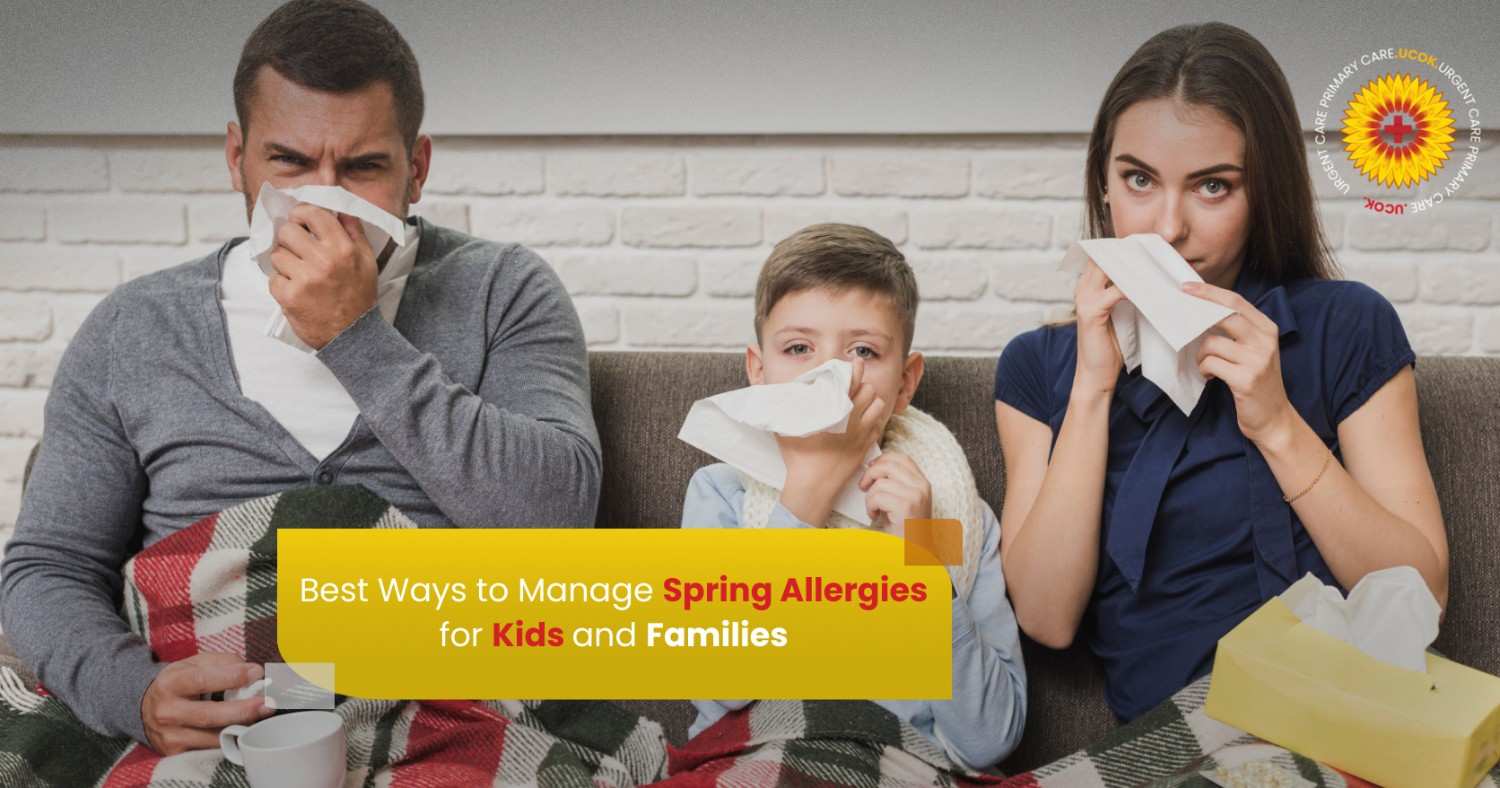
Spring is an unpredictable season. One day, your kids are playing outside, and the next day, the pollen from the trees makes them sneeze and itch their eyes. If your child has been rubbing their nose after recess, waking up congested, or getting irritable before outdoor play, seasonal allergies could be the cause.
Every year, a lot of individuals get spring allergies. Kids are more likely to get them because their immune systems are still growing, and they spend more time outside.
What’s the good news? Your family can deal with spring allergies and still have a good time if they learn to recognize the symptoms early and follow a few easy rules. This guide tells you all you need to know, from how to recognize the first signs of an allergy to how to develop a daily routine to protect yourself from them, and when to consult a doctor.
Why Spring Allergies Feel Different for Kids and Families
How Pollen and Weather Affect Families
The weather can change swiftly in the spring. Warm days followed by windy weather can move pollen from trees like oak, cedar, and maple all over the area.
Many families may have allergy symptoms when pollen levels rise quickly like this. The weather can change so that the air feels good one day, and the next day, pollen counts go up a lot.
Even families that largely remain inside may still have symptoms since pollen can travel long distances through the air.
The Ripple Effect on Family Life
When kids have allergies, it can affect everyone in the house.
Some common impacts are:
- Sleep that is interrupted by stuffy noses or itchy eyes
- Hard to pay attention in school because of tiredness
- Less time playing outside or events that were canceled
- Parents who are trying to deal with symptoms are under more stress
If you think of allergies as a family health problem instead of just a child’s problem, it will be easier for everyone to work together to make routines that help with symptoms and keep things regular.
Common Spring Allergy Symptoms in Kids and Families
Both children and adults may be subject to spring allergies, but children tend to have more severe symptoms.
Common symptoms of seasonal allergies in children and families are:
- Frequent sneezing
- Runny or stuffy nose
- Itchy, watery, or red eyes
- Scratchy throat or coughing
- Post-nasal drip
- Exhaustion created by lack of sleep due to congestion
- Dark circles under the eyes (sometimes called allergic shiners)
In case these symptoms occur during approximately the same period annually in the spring, it is possible that what caused them was pollen in trees and grasses.
Early identification of these patterns will enable families to begin the procedures for managing allergies at an earlier stage.
Spotting Early Signs Before Symptoms Worsen
Subtle Clues Kids May Not Mention
Children of a younger age tend to have difficulties in describing their feelings. They do not provide descriptions of symptoms directly, but may show minor changes in behavior.
Watch for signs such as:
- Frequent nose rubbing
- Sudden irritability after outdoor play
- Repeated throat clearing
- Rubbing eyes often
- Sneezing fits during indoor family time
Poor sleep and congestion or other symptoms can make it harder for children to concentrate in school.
Identifying these signs early allows parents to respond before symptoms become more uncomfortable.
Allergy vs Cold: How Families Can Tell the Difference
Allergies and a spring cold may be extremely similar. Such understanding can enable families to react appropriately to the differences.
| Symptom | Allergies | Cold |
| Fever | Rare | Sometimes present |
| Itchy eyes | Very common | Rare |
| Sneezing | Frequent | Occasional |
| Runny nose | Clear and watery | Thick or yellow |
| Duration | Weeks or entire season | 7–10 days |
When symptoms continue for several weeks without fever and become worse after exposure to the outdoors, then allergies are probably the cause.
Creating Your Family’s Daily Allergy Defense Routine
Morning and Evening Habits That Help
Simple habits can help you avoid pollen a lot.
Ideas for morning routines:
- Before you leave for school, wash your hands and face
- If your provider tells you to, take the recommended non-drowsy allergy medicine
- Look at the pollen levels before going outside
Ideas for evening routines:
- Put on different clothes after you come inside
- Take a shower or wash your face and hands
- Don’t mix clothes you wear outside with clothes you wear inside
These routines help keep pollen from building up and make sure symptoms don’t get worse.
Making Your Home a Low-Pollen Space
With a few easy changes, your house can be a secure location to stay away from outdoor allergens:
- On days when there is a lot of pollen, use air conditioning instead of opening windows
- Change the filters in your HVAC system regularly
- Wash bedding often
- Use HEPA filters to vacuum carpets and rugs
- Keep play areas away from entrances where pollen may gather
These tiny efforts can make a big difference in the number of allergens within.
Keeping Outdoor Fun Safe for Kids and Families
The spring is supposed to be enjoyed, and therefore, the families do not have to avoid outdoor activities fully.
In its place, the following strategies can be tried out:
- Prepare outdoor activities only in times when the pollen is lower, like in the late afternoon
- On days when pollen levels are high, check the daily pollen count and make outdoor playtime shorter
- Encourage the washing of hands and faces after outdoor entertainment
- Select parks or those places that have few flowering trees
These modifications will enable the families to enjoy the spring and reduce allergy effects.
Nutrition and Lifestyle Tips That Support Allergy Relief
The effect of seasonal allergies may also be minimized through healthy habits.
Helpful practices include:
- Consumption of fruits and vegetables that are high in antioxidants
- Staying well hydrated during the day
- Getting people to conduct light exercise indoors when pollen levels are high
- Making sure kids receive adequate sleep
These practices make the immune system stronger and may help the body deal with allergens better.
When It’s Time to Seek Medical Care
You can usually take care of most seasonal allergies at home, but some symptoms need medical attention.
If a child has any of the following, their family should think about going to urgent care:
- Trouble breathing or wheezing
- Severe pain or pressure in the sinuses
- Symptoms repeated over a period of seven days or more
- Swelling or severe irritation of the eyes
- Severe body tiredness because of sleep disturbances
If over-the-counter medicines aren’t working, a doctor can look at the symptoms and suggest the best course of action.
How Urgent Care Can Help Families During Allergy Season
Urgent care centers also offer immediate care when the allergy symptoms are difficult to handle.
Providers can:
- Look at the symptoms and rule out infections
- Suggest Stronger allergy treatments when they are needed
- Advise on how to deal with seasonal allergies safely
Urgent care is a good option for families with hectic schedules because it lets them get medical attention quickly without having to wait a long time in an emergency room.
Conclusion
Allergies in spring are a typical problem for most kids and families living in Kansas City and surrounding communities, yet they do not necessarily have to put a stop to your day. Through identifying symptoms early, creating routines that are simple, and making minor changes at home, families can reduce the amount of exposure to pollen, keeping everyone more comfortable.
Above all, keep in mind that there is help available whenever the symptoms are too hard to deal with. In case the symptoms of allergy start to disrupt school, sleep, and outdoor activities, Urgent Care of Kansas can help to find the solution with quick care and proper treatment.
If you have a good strategy, your family can spend less time dealing with allergy symptoms and more time enjoying the fresh air and fun things that make spring so memorable.
FAQs
Can my child still play sports with spring allergies?
Yes. Most children can enjoy sports and outdoor activities without any problems, provided with proper allergy management, and the activity timetable is intelligently planned regarding the pollen count.
Do allergy medications make children drowsy?
Some older medications can make one drowsy, although most new allergy medications are non-drowsy. A doctor needs to be consulted before taking medication.
Can seasonal allergies be completely prevented?
Exposure to allergies may not be fully avoided, but daily habits and home environmental changes may help minimize exposure.