
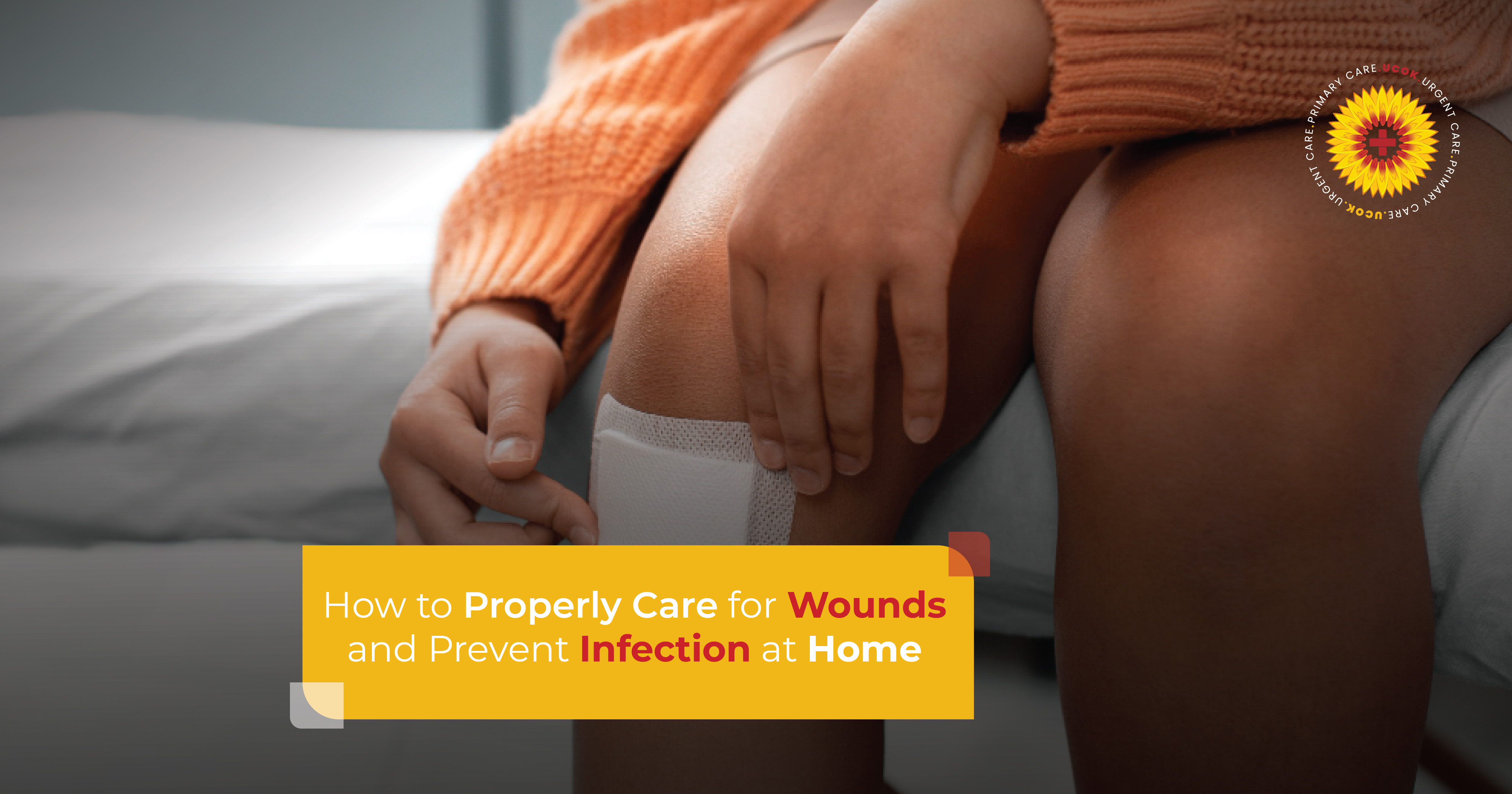
Accidents happen. It could be a scraped knee from a parked car, a small burn while cooking dinner, or a small cut, but dealing with small injuries is a normal part of life. But the small wounds need the right care. Even a small cut that isn’t cared for properly could get infected or take a long time to heal.
We see a lot of patients at our urgent care clinic whose basic injuries have gotten worse because they didn’t get the right care. The good news is? You can handle most of the problems with a well-stocked first aid kit at home. We’ll guide you on how to treat wounds at home, the best ways to clean cuts and scrapes, and when to call a doctor.
Common Types of Household Wounds and Infection Risks
Knowing how to tell the difference between different types of wounds is the first step in giving proper first aid. Understanding what the risks of cuts, scrapes, and burns are, in particular, will help you choose the right treatment to avoid problems.
Cuts and Lacerations
A sharp object goes through the skin. Minor cuts that are not very deep usually heal without any problems. However, deep or jagged cuts can cause severe bleeding and damage nerves or tendons. These deeper wounds are more likely to get infected, and the medics usually have to step in.
Scrapes (Abrasions)
When the skin rubs against a rough surface like concrete or carpet, it can get scrapes, which are also called abrasions. Because the top layer of skin is gone, these kinds of wounds are likely to collect dirt and other debris. To stop the bacteria from causing an infection, abrasion treatment needs to be done very carefully.
Puncture Wounds
Puncture wounds are caused by sharp objects like nails or thorns, which can be misleading. When you look at them from the outside, they may seem small, but they often let bacteria get deep into the tissue. If you don’t have an up-to-date tetanus vaccine, these kinds of injuries are especially dangerous for tetanus-related and deep-tissue infections.
Minor Burns
Minor burns weaken the skin’s protective barrier, whether from a hot pan or from being in the sun. Blistering burns are especially vulnerable because when the blister breaks, it lets bacteria in easily. Taking care of burns is very important to protect the burned skin while it heals.
Healing Factors to Consider
Your health has a big effect on how quickly your wounds heal. Kids heal quickly, but they might hurt themselves again. On the other hand, older people, people with diabetes, or people with poor circulation take longer to heal and need more care to avoid serious problems.
Essential Supplies for Your Home Wound Care Kit
Having the right supplies on hand might help you avoid making quick decisions and getting the wrong treatment.
The home wound care kit must include:
- Sterile adhesive bandages (various sizes) and gauze pads
- Pain relievers (acetaminophen or ibuprofen)
- Antiseptic wipes and saline solution
- Antibiotic ointment
- Scissors and medical tape that are clean
- Disposable gloves
- Thermometer
Fun bandages help families with kids feel less anxious. Store supplies in a container that is easy to find and clearly labeled, and check the expiration dates every six months.
How to Clean and Dress a Wound: A Quick First Aid Guide
To avoid infection and speed up the healing process, you should take care of your wounds properly. Follow these three simple steps to heal small cuts and scrapes.
1. Stop the Bleeding
For 5 to 10 minutes, put pressure on the sterile gauze. Lift the injury so that less blood flows to it. If you are bleeding heavily or it doesn’t stop, see a doctor right away.
2. Clean the Wound
To clean the area, run a lot of cool water over it. You can put mild soap on the wound, but don’t use harsh chemicals like hydrogen peroxide, which will hurt the tissue.
- Apply a Dressing
Put a thin layer of antibiotic ointment on with a towel. There are bands and non-stick gauze over it. Change your dressings every day, or whenever they get wet or dirty.
How to Prevent Infection During Healing
As much as it is important to clean up initially, constant care is also important.
- Check the wound on a daily basis
- Keep it clean, dry, and covered
- Do not pick scabs or open the wound
- Consume food that contains nutrients (protein, vitamin C, zinc) in large quantities
- Should not swim or soak until healed
Having a clean and wet place will ensure more rapid healing and scar reduction.
Stay Active with Wound Care: Essential Tips
To effectively heal and lead an active lifestyle, you can use the following easy tips to protect your wound care:
- Select the appropriate dressing: Select waterproof or stretchable bandages that move along with you. Be smart with your clothes: Moisture-wicking material helps the area to stay dry.
- Change your exercise: Use exercises that will not put a lot of stress on your injury.
- Hygiene: Take a shower right after sweating and put on a new dressing.
When to stop: In case you observe pain, swelling or drainage, then stop your exercising routine and inspect your wound as soon as possible.
Recognizing Signs of Infection and Complications
Emergency treatment is required in case of the following:
- Diffusion of redness or swelling
- Pus or foul-smelling discharge
- Increasing pain after 48 hours
- Fever, chills, or a crimson streak around the wound
Children, the aged, and individuals with chronic illnesses are to be closely monitored since infections may advance at a faster rate.
When to Skip Home Care and Visit Urgent Care
It is advised that professional care is taken towards:
- Deep, gaping, or jagged wounds
- Animal or human bites
- Puncture wounds that are from dirty or rusty objects
- Face wounds, hand wounds or joint wounds
- Infection signs that become more severe or that do not disappear
The urgent care staff will be able to look at the wounds, put on stitches or dressings, give tetanus shots, and, if needed, give antibiotics.
Common Wound Care Myths
- Hydrogen peroxide works best in cleaning: False. It damages healthy tissue.
- Let wounds air out: False. Moist and covered wounds heal faster.
- Butter helps burns: False. It causes heat retention and aggravates trauma.
Evidence-based wound care is the way to go.
Long-Term Healing and Scar Prevention
Once the wound is healed, protect it in the long term:
- Shield the area against sunshine.
- Be hydrated and healthy in nutrition.
- Massage heals skin if advised.
- Monitor your progress and contact a provider in case of concerns.
Conclusion
The three fundamental steps to mastering home wound care include cleaning, applying a protective dressing and monitoring progress.
Most of the time, small cuts and scrapes heal on their own. However, it’s important to know how to avoid getting an infection and when to go to urgent care. Follow the three fundamental three steps and keep an eye on them. If you take care of them properly, most small cuts and scrapes will heal without any problems. Knowing when to get professional help keeps you safe and stops serious infections from happening.
In case of professional help, you can rely on Urgent Care of Kansas. We treat cuts, burns, and sprains in people of all ages. Our staff can clean up cuts, stitch them up, and give tetanus shots. X-rays taken on-site make it easy for us to figure out what’s wrong and fix it. Take care of your family’s health and make sure you are ready. If something goes wrong, do not hesitate to contact Urgent of Kansas.
FAQs
What is the first thing you should do when you have a wound at home?
To stop the bleeding, apply gentle pressure to the area and, if possible, raise it.
What is the time it takes for a small cut to heal?
Most of them heal in one to two weeks, but this depends on the person’s health, age, and where they are.
When should I worry about a scrape on a child’s skin?
If the redness spreads, pus forms, a fever starts, or the pain gets worse.
What makes a cut different from a laceration?
Cuts are usually straight and clean, but lacerations are jagged and often need medical help to heal.