
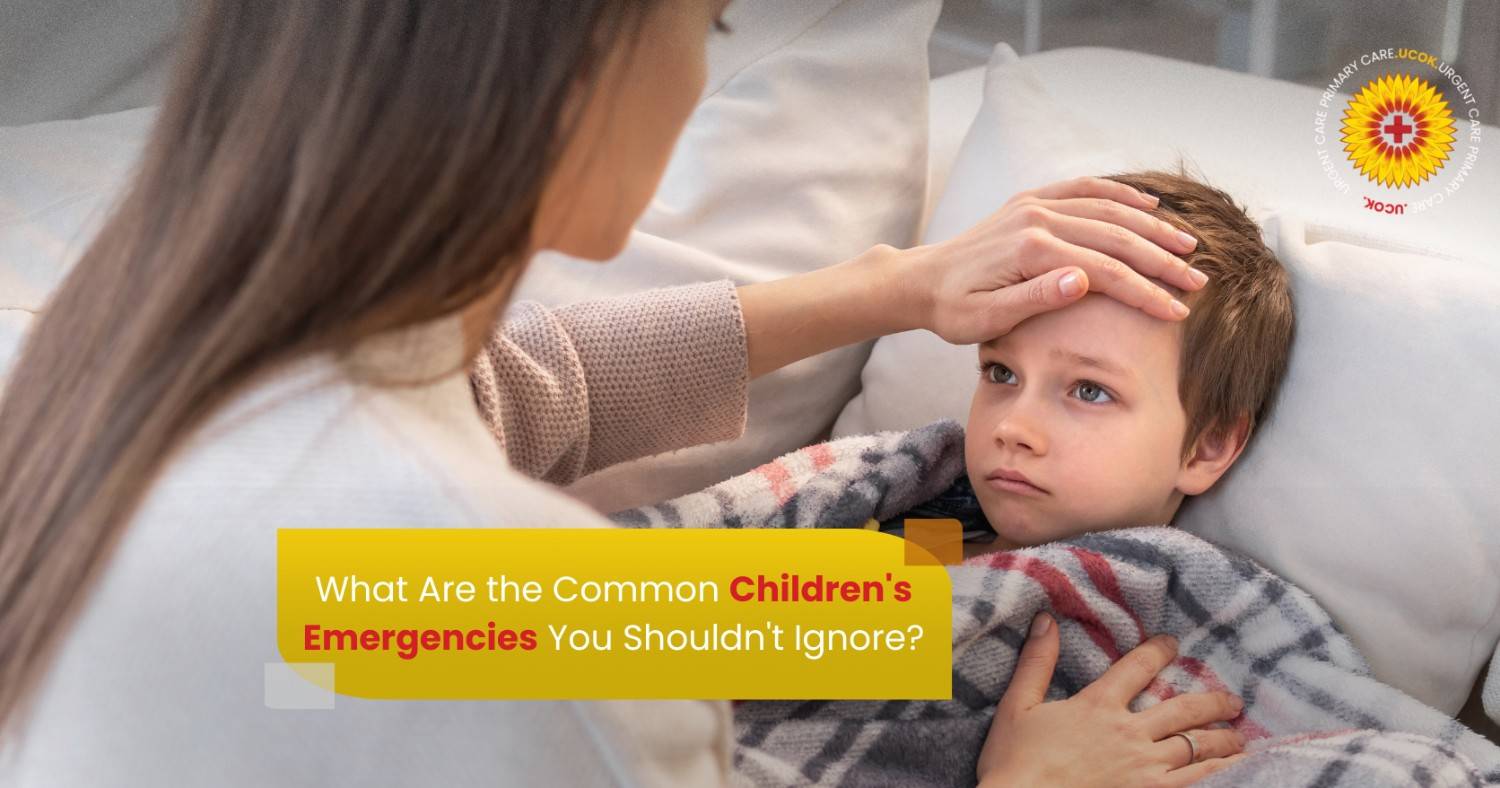
It starts with a simple cough on a lovely afternoon, but quickly becomes a concern for parents. Is it just a cold, or do kids need to see a doctor right away? You need to know the early signs of health problems in your child so you can keep them safe and not worry.
Urgent Care is the most essential place to go between a scheduled doctor’s appointment and the emergency room. This guide lists pediatric red flags, such as behavioral changes and physical symptoms, to help you decide whether you need to see a doctor. Read on to learn how to spot these signs and be sure that your child’s health is in good hands.
Understanding Children’s Emergencies: Why Early Recognition Matters
Kids don’t need to go to the doctor for every scrape or sniffle. Rest and drinks usually help with minor issues like colds, but you need to deal with real crises right away to avoid problems.
Kids are different because their bodies change quickly, and they can’t always tell you what’s wrong. Instead of words, look for signs of behavior, like being fussy or pulling away. As a parent, the most important thing is to trust your gut. If something seems off, it probably is.
Here are some essential things to keep in mind about your child’s health:
- Changes happen quickly: Children’s symptoms can get worse faster than adults’ because their immune systems are still developing.
- Signs of behavior: Mood swings are a common sign of physical pain.
- Early intervention: Acting quickly usually makes the healing process go more smoothly and quickly.
Recognizing Pediatric Emergencies: A Parent’s Guide
Kids are sensitive and can suddenly feel sick. They can catch diseases easily, like during a game, after eating a new snack, or just because the weather changes. It’s important to know when a symptom is minor and when you should see a doctor. Here is a list of the problems kids most often have.
Respiratory Distress and Breathing Issues
Breathing problems can be caused by common colds, allergies, or environmental factors that bother you. In places like Kansas, seasonal things like spring pollen or dry winter winds can make these situations worse, turning a regular cough into a bigger problem very quickly.
When to seek pediatric urgent care:
- Breathing problems: Check for fast breathing or “retractions,” which is when the skin around the ribs or collarbone pushes in.
- Color change: If your lips, tongue, or nail beds turn blue (cyanosis), it means there isn’t enough oxygen.
- Audible distress: Pay attention to loud wheezing, grunting, or a rough bark that gets worse, especially when they sleep.
Tip for the house: If your child is having trouble breathing, try keeping them quiet and sitting up straight to open their airways. A cool-mist humidifier can add moisture to the air, but only for a short time. If the symptoms don’t go away or get worse, though, you should take them to a kid-friendly urgent care right away to check their oxygen levels and lung function.
Pediatric Injuries: Concussions, Cuts, and Sprains
Active kids are more likely to trip, get hurt while playing sports, or play rough. It’s hard for parents to tell the difference between a minor scrape and an injury that shows more serious damage, like a concussion or a broken bone.
These are the signs that an injury needs medical attention:
- Significant swelling: If the area stays swollen or makes it hard for your child to move the limb normally.
- Concussion symptoms: If you hit your head and then vomit, feel very tired, confused, or have trouble with balance, you may have a concussion.
- Deep wounds: Cuts that keep bleeding heavily or show signs of infection (redness and warmth) soon after the event.
Tip for the home: After a bad fall, do a quick “safety check.” Tell your child to walk in a straight line or stand on one foot. If they can’t keep their balance, it could mean they have a concussion. If you don’t know, go to an urgent care center. They can take pictures or provide stitches right away, unlike in an ER, where you have to wait a long time.
Gastrointestinal Issues and Dehydration
Kids often get stomach bugs, and they are usually caused by viruses or changes in their diet. It’s normal for kids to have stomach aches, but the worst thing that can happen with stomach problems is dehydration, since kids lose fluids quickly.
Warning signs of serious stomach issues:
- Localized pain: Pain that is sharp or steady and only happens in one place, like the lower right side (which could mean appendicitis).
- Dehydration: Vomiting all the time is a sign of dehydration. It can make your mouth dry, stop your tears, or make babies’ diapers less wet.
- Other red flags: Blood in the stool or your child looking unusually limp or tired are other warning signs.
Tip for the home: Give them small, frequent sips of an electrolyte solution to help them replace the fluids they lost. But don’t wait to get medical help. A pediatric urgent care provider can ensure your child stays hydrated and rule out serious illnesses, such as appendicitis.
Behavioral and Mental Health Changes
A child’s mental health is just as important as their physical health. Stress and anxiety can make breathing problems or stomach pain worse by showing up in the body.
As you get older, your symptoms change. Toddlers might stop playing, and older kids might act out or become socially isolated.
Mental health red flags to monitor:
- Mood swings: Fears that come out of nowhere or mood swings that are much worse than they used to be.
- Physical evidence: Marks on the body that can’t be explained, showing self-harm or a tendency to be alone for long periods of time.
- Trouble sleeping: Not being able to sleep or sleeping fitfully, and being grumpy during the day.
Advice for the house: Make a note of when these behavior changes happen and what caused them. Taking these notes to your appointment helps our doctors understand what’s going on so they can connect you with the right help for your family’s health.
Urgent Care vs. ER for Kids: How to Decide
Don’t you know where to take your sick child? It doesn’t have to be hard to choose between urgent care and the emergency room. Check on your child first: Are they awake? Are you able to breathe well? Are you getting enough water?
This is a quick guide to help you choose the best care option:
- Go to Urgent Care: If your child has a moderate fever, a sprain, a cut that needs stitches, minor breathing problems, or behavior changes that you didn’t expect. You can usually make same-day appointments and wait less time here.
- Emergency room: It is needed when you have a life-threatening emergency, such as having seizures that won’t stop, difficulty in breathing, a severe allergic reaction, or unconsciousness.
- Monitor at Home: If your child has mild symptoms but can eat, drink, and usually behave, observe him at home. Visit a physician if it does not improve within 24 to 48 hours.
Prevention Strategies: Building a Safer Environment for Kids
The best way to take care of your health is to get preventive care. By focusing on proactive family wellness, you can take charge and feel better before problems arise.
Consider having a “health huddle” once a week, which is a short, casual meeting where everyone talks about how they are feeling. This simple habit makes it normal to talk about health and keeps the lines of conversation open.
The following are best practices for ensuring kids’ safety in their day-to-day activities:
- Put Safety Gear First: Wear helmets and pads when engaging in sports or riding bikes to avoid injuries.
- Boost Immunity: Feeding a child a healthy, balanced diet is essential to keep the immune system strong and help keep infections at bay.
- Check Emotional Health: To test emotional health, you can say open-ended questions, such as How was your day, really? to see if their mood changes or if they get anxious.
These small things will help you be stronger and reduce unexpected doctor visits, making your home happier and healthier.
Conclusion
If you can see early signs of physical and mental problems in your child, you are their best advocate.
Urgent Care of Kansas is committed to helping your family stay healthy. Our friendly staffis ready to assist you without long wait times. Proactive care prevents issues, but does much more, allowing more joy and connection. In case of an emergency, you can simply walk in. We’re here to help when you need us most.
FAQs
What should I do if my child has a fever but is still active and playful?
Assuming your child is eating, drinking, and otherwise normal, a fever alone is not usually sufficient to warrant a doctor’s call. Look for other signs, like a rash, extreme tiredness, or trouble breathing. If the fever doesn’t go down or gets worse, go to urgent care for peace of mind and advice.
How can I tell if a rash needs to be checked out right away?
If the rash spreads quickly, makes you swell up, changes your breathing, or doesn’t blanch when pressed (non-blanching), you should see a doctor right away. It could mean that you have an allergy or an infection.
Are mental health issues in kids and teens emergencies?
Yes, particularly when they talk about self-harm, extreme withdrawal, or out-of-control behavior. These are not something to be dismissed like any other physical symptoms.