
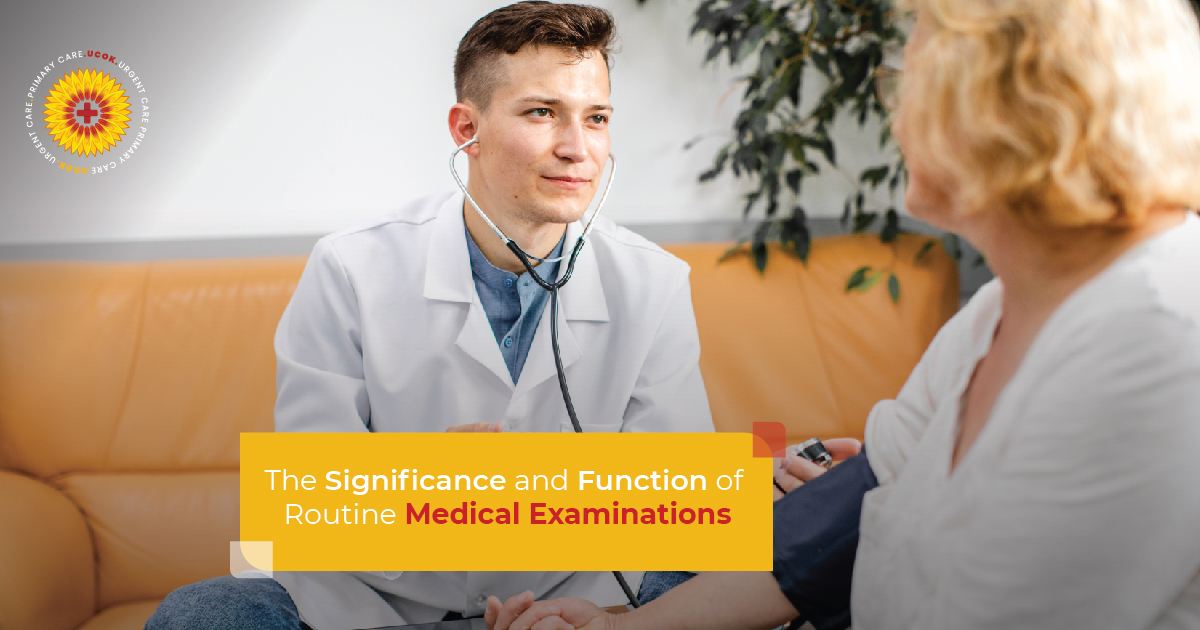
A general medical check-up is a full assessment of a person’s health. The main goals are to look at how well the body works as a whole and to identify early signs of disease. A routine health checkup is a way to keep your body healthy by making sure all its systems are working properly.
The main goals of a regular health check-up
Getting a regular health check-up is an important part of preventive medicine that has many benefits for your long-term health and well-being.
Early Detection of Illnesses: Many serious health problems, like diabetes, high blood pressure, and some cancers, don’t show any signs at first. Regular health screenings make it easier to find these problems early on, when they are easiest to treat.
Monitoring of Existing Conditions: People with long-term health problems like diabetes or high blood pressure need to see a doctor often to manage their diseases and avoid complications.
Preventive Care and Guidance: A healthcare provider can give a patient personalized advice on lifestyle changes, vaccinations, and screenings that are needed based on their age, medical history, and risk factors.
Peace of Mind: Knowing you’re healthy can help you relax and take charge of your health.
The Important Role of Regular Health Check-Ups in Preventive Care
- Delaying routine medical check-ups can result in the postponed identification of significant health concerns.
- Many serious illnesses don’t show any symptoms until they are very advanced.
- Regular checkups are an important part of preventive healthcare because they allow for early intervention.
1. Stopping conditions that don’t show any symptoms
Many serious diseases, such as high blood pressure, diabetes, and some types of cancer, don’t show any signs in their early stages. The disease may have gotten a lot worse by the time you notice symptoms. Regular health screenings find these “silent killers” early, which makes the prognosis better and the treatment more effective.
2. Savings on money in the long run
A general check-up costs money right away, but it can save you a lot of money in the long run. It can be costly to take care of people with long-term illnesses. Early detection usually leads to treatment plans that are less aggressive and cost less. Therefore, preventive care is a better way to save money than dealing with a health crisis.
3. Improving quality of life and length of life
Staying healthy means more than just not getting sick; it also means living a more active and vibrant life. Preventive health checkups help find health problems before they get in the way of daily life. People can improve their overall quality of life by dealing with problems through diet changes, exercise, or stress management.
4. Helping with mental health
Regular health checkups are important for both mental and physical health. Psychological conditions such as elevated stress, anxiety, and depression can present with physical symptoms including fatigue, headaches, and hypertension (Attia et al., 2022). Talking to a doctor about these worries during a check-up can help prevent mental health problems from getting worse by getting treatment or introducing changes to your lifestyle.
Important Health Tests You Should Get Regularly
The tests that are part of a health check-up should be based on the person’s age, medical history, and way of life. But a full evaluation needs a few standard tests.
Blood Pressure Measurement: High blood pressure can lead to heart disease, stroke, and kidney problems (National Institute of Diabetes and Digestive and Kidney Diseases, 2020). Regular monitoring is essential for identifying abnormalities.
Blood Sugar Test: Diabetes is becoming a bigger problem around the world (Hossain et al., 2024), so a fasting blood sugar test is critical for finding out if you have prediabetes or diabetes.
Cholesterol Panel (Lipid Profile): This test checks the levels of HDL (“good”) and LDL (“bad”) cholesterol, which are important signs of heart health.
A Complete Blood Count (CBC) gives a general picture of health and can help find infections, anemia, and other blood-related problems.
Liver and Kidney Function Tests: These tests check how well the liver and kidneys work, which is important for getting rid of toxins in the body.
Recommended cancer screenings depend on your age and gender, but they may include Pap smears for cervical cancer, mammograms for breast cancer, PSA tests for prostate cancer, and colonoscopies for colorectal cancer.
Electrocardiogram (ECG) and Cardiac Screening: Heart disease is one of the most common causes of death in the world (Centers for Disease Control and Prevention, 2024), so regular ECGs and stress tests can help find possible heart problems early.
Bone Density Test: Women who have gone through menopause are at a higher risk of osteoporosis, and a bone density test can find early signs of bone loss.
Regular eye exams can find vision problems and signs of other diseases, like diabetes. Dental checkups, on the other hand, keep cavities and gum disease from happening.
What you can gain from a full-body check-up
Full body check-up
A full-body check-up is a more thorough evaluation than a regular check-up. It gives a full, 360-degree picture of how well the organs are working, how the blood is doing, and how well the metabolism is working. This process is a proactive way to avoid health problems.
Early Diagnosis: A full-body screening can find hidden diseases like diabetes and high blood pressure before they get worse, allowing for early treatment and better health outcomes.
• A full picture of your health: This kind of checkup looks at many different parts of health, like how well the heart, liver, kidneys, and lungs work, as well as hormone levels and bone density.
• Stopping medical emergencies: A full-body check-up can help stop sudden and life-threatening medical events by finding small warning signs of serious conditions like heart disease or stroke.
Cost Savings on Healthcare: Getting a full-body check-up can help you avoid the higher costs of treating advanced diseases and staying in the hospital for a long time.
Personalized Health Guidance: Healthcare providers can give you personalized advice on diet, exercise, and lifestyle based on detailed test results. This creates a personalized plan for better health management.
Last Thought
A regular health checkup is an important part of staying healthy. In a world where pollution, stress, and lifestyle choices affect our health, these tests are crucial. It is best to talk to a doctor about scheduling a general check-up at least once a year.
Questions That Are Often Asked
1. How often should I schedule an appointment for a check-up?
The suggested frequency varies based on age and health condition. People under 30 should see a doctor every two to three years. People over 30 should try to do it every one to two years. People who already have health problems should talk to their doctor about a more frequent schedule.
2. How do I become ready for a general check-up?
If you need blood tests, you may need to fast for 8 to 12 hours, stay away from alcohol and caffeine, and make a list of any symptoms or questions you want to ask your doctor.
3. Is there a difference between a full-body check-up and a regular health screening?
Yes. A regular health screening usually includes important tests based on your age and risk factors. A full-body check-up, on the other hand, is more thorough and gives you a complete picture of your health.
4. Do I need to get health checkups if I feel fine?
Yes. A lot of serious health problems don’t show any symptoms at first. Regular checkups are critical for finding these possible health problems early.
5. Would it be possible to get a health check-up at home?
Many diagnostic labs will send someone to your home to collect samples for basic tests. But for a full and thorough evaluation, you should go to a healthcare facility.

No comment