
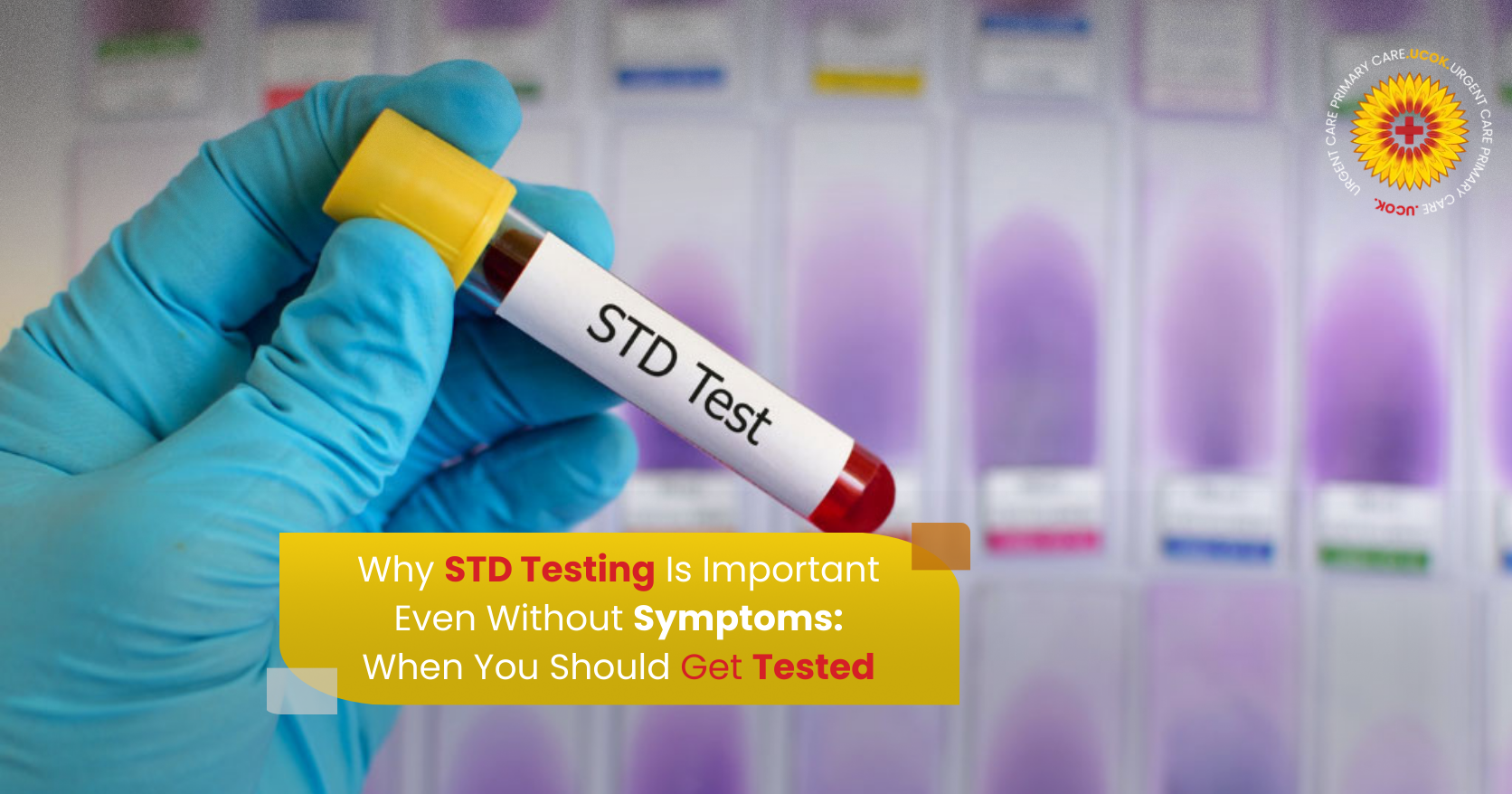
Even if one feels perfectly healthy right now, that doesn’t mean everything is fine underneath. Some sexually transmitted diseases (STDs) don’t show any signs, so you might not know that you have one and that it can spread to other people.
The truth is, not all STDs come with clear warning signals. A lot of them work in the background, causing what we call “silent infections” that are real but hidden threats to human health. Even if you don’t have any symptoms, getting STD testing can help you avoid long-term health problems, keep your partners safe, and feel better about yourself. This post will talk about the most important reasons to get tested for STDs regularly and why it’s one of the smartest decisions you can make for your health.
Can You Have an STD Without Symptoms?
Understanding Asymptomatic STDs
“Asymptomatic” means you have an infection but don’t show any symptoms.
There was no pain, itching, or strange discharge. It is as though some silent intruder who does not make noise.
This is very common with sexually transmitted diseases.
Chlamydia and gonorrheaare two infections that can go unnoticed for months or even longer without making you feel sick.
These are the most important points:
- Silent carriers: When you’re close to someone, you can spread the infection to them without even knowing it.
- Long-term effects: If you don’t deal with these hidden issues, they could slowly harm your health over time.
To stay ahead, the first thing you need to do is learn about them.
Common STDs That Often Show No Symptoms
Here are some of the most common ones that go unnoticed:
- Chlamydia: This bacterial disease doesn’t always show any signs in men or women. If you don’t deal with it, it could lead to fertility issues or cause other problems with your reproductive system.
- Gonorrhea: It might not cause any symptoms or only mild ones, but if you don’t treat it, it could spread to other parts of your body.
- HPV (Human Papillomavirus): Most strains don’t cause any immediate symptoms, but some can change cells in ways that need to be watched.
- Herpes: The virus can stay dormant after a first exposure that is not very strong (or not at all). It might get worse later.
- HIV: At first, it might not feel like anything or just like a short cold, which could make it hard to get the care you need.
Everyone’s experience is different. That’s why it’s best to talk to a professional.
The Hidden Risks of Skipping STD Testing
Health Complications from Untreated Infections
It’s simple to forgo testing when you feel good. But STDs that don’t show up immediately can develop worse over time.
They could hurt you in the pelvic area for a long period, or they could hurt vital organs. They can also make it tougher for your body to fight against other diseases.
Consider how these factors will affect you:
- Reproductive health: Not treating infections can make it harder to get pregnant or cause complications throughout pregnancy.
- Effects on the whole body: Some of them spread to the heart, joints, or nerves.
- Links to cancer: Certain viral STDs make you more likely to have cancer, such as in the throat or cervix.
What is the good news? Most of the time, acting fast makes these issues easier to handle.
Impact on Relationships and Community Health
The effects are bigger than you. If you are an asymptomatic carrier, you could spread an infection to a partner without knowing it, which could impair trust and connection.
Regular testing makes relationships safer and more open. It’s a nice thing to do, especially if you’re in a serious relationship or getting ready to have kids.
Testing more people in a bigger area helps keep diseases from spreading in communities. This helps make communities safer for everyone by making care easier to get.
Emotional and Psychological Benefits of Testing
The good news is that testing takes a lot of stress off your shoulders, even when you feel fine.
Knowing your status gets away from the irritating “what if?” It helps you enjoy life more and minimizes stress.
Here are some of the ways it helps:
- Confidence boost: It helps you get rid of whatever uncertainties you have, which makes it simpler to deal with life and relationships.
- Early empowerment: Gives you the knowledge you need to make smart choices or talk to a doctor without being afraid.
Testing is important for both your mental and physical well-being.
Who Should Get STD Testing?
Guidelines for Different Life Stages
Testing works for people of all ages. This is a short guide:
Young Adults and Teens
Taking additional risks is usually what trying new things involves. Yearly checks help people detect problems early and build good habits.
Adults in Relationships
Do you have a steady partner? Testing makes both people feel better and creates a sense of mutual peace (especially with changes like new partners).
Pregnant Individuals or Those Planning Families
Testing is good for both the parent and the baby. It keeps the sickness from spreading throughout pregnancy or birth, which is beneficial for the baby’s health.
Factors That Increase the Need for Testing
Some situations need checks more often:
- Multiple partners: This raises the risk, so be tested more often.
- Unprotected encounters: You need to check even once.
- Past infections: Be careful not to catch them again.
Clinics can help you figure out how to be tested for STDs in a way that works for you.
What Happens During STD Testing?
Types of Tests Available
Most of the time, modern tests are easy to do and non-invasive. Options are:
- A small amount of urine
- A simple test of your blood
- A gentle swab from the right area
Most of these take a few minutes. Results generally happen right away.
Providers must keep everything confidential.
Where and How to Get Tested
It’s a good idea to go to urgent care. You can walk in without having to wait long or make an appointment ahead of time.
We offer extensive, low-cost testing atUrgent Care of Kansas, and our on-site labs usually give results the same day.
We make sure that everyone feels at home in our space, which is designed for busy lives.
Overcoming Common Barriers to Testing
It’s okay to be unsure. You can be scared of being judged, apprehensive about the outcome, or short on time.
Here are some easy things you can do:
- Education: Facts, like the ones in this post, help individuals understand things better and make them less scared.
- Support: Providers you can trust aid you without putting you under stress.
- Accessibility: You can either go to the clinic or acquire a kit to use at home.
Benefits of Early STD Detection Through Testing
Preventing Long-Term Health Issues
Getting caught early makes a tremendous impact. Bacterial STDs are often killed using antibiotics. Viral ones need better management to limit their effect.
The main benefits are:
- Curability: Many people get well when they are caught early.
- Management: Treatment inhibits the worsening of symptoms and maintains a healthy state.
Cost-Effective Health Management
Frequent testing is a cost-efficient approach in the long-term perspective. It prevents the issues that are expensive.
A visit to an urgent care is less costly than visiting an ER or a specialist.
Building a Culture of Health Awareness
The act of taking tests makes individuals open up and discuss their sexual health honestly. It makes taboo topics normal methods for families and communities to take care of themselves.
Conclusion
The sneaky aspect of asymptomatic STDs, why delay is risky, why someone needs to be tested, how effortlessly it can be done, and how early detection can save the day have been discussed. At its heart, the importance of STD screening without symptoms is about empowerment. It’s a simple step to guard your health, your relationships, and your future.
Ready for a check? Stop by Urgent Care of Kansas. You are able to test without an appointment in our Gardner, De Soto, Pleasant Hill, and Independence locations, and your information will remain confidential.
Call us or go to our site to find the closest location.
Testing is like any other good thing you do every day. It’s a way to keep your mind and body healthy. You are worth it, and one small move today can make tomorrow a lot better.
FAQs
Can you have an STD and not show any signs?
Yes. A lot of them, like chlamydia, gonorrhea, HPV, and HIV, don’t exhibit any signs at first. Testing is the only way to be sure.
How often should you get checked for STDs?
Sexually active adults: Consider screening at least once a year. Those with multiple or new partners may need it more often.
Can urgent care centers test for STDs?
Yes. A number of them let you test privately using blood, urine, or swabs.
Is STD testing confidential?
Definitely, strict privacy rules keep your information and results safe.