
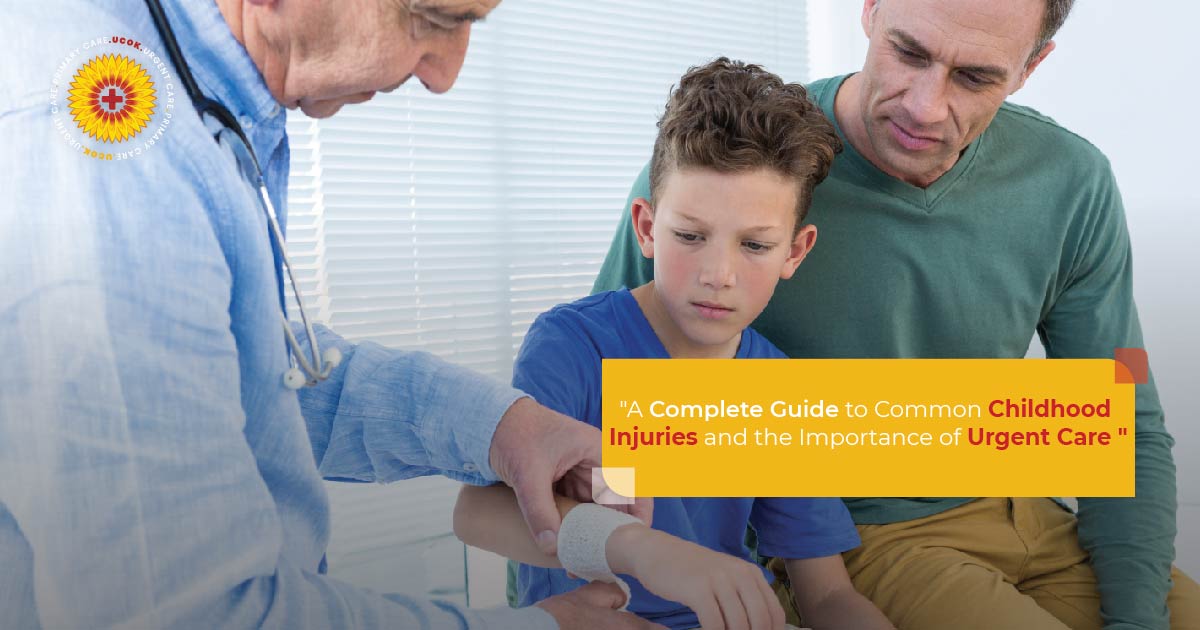
Introduction to Pediatric Injuries
Unintentional injuries represent a major public‑health issue and are the leading cause of death among U.S. children ages 1‑14. While the physical damage from these events often draws the most focus, the accompanying emotional impact on youngsters and their families can be substantial, producing anxiety, stress, and lasting emotional strain.
This guide is intended to serve as a thorough resource for parents and caregivers. It outlines the ten most frequent injuries seen in children, explains the vital role urgent‑care clinics play in their treatment, and offers practical prevention tips. By covering topics such as typical pediatric injuries, the function of urgent‑care for kids, and effective safety measures, this article aims to boost child safety, improve parental readiness, and support overall family wellbeing.
Understanding Childhood Injuries: Causes, Frequency, and Psychological Effects
Childhood injuries are defined as bodily harm suffered by individuals under 18, most of which occur accidentally. These events usually happen in familiar settings—home, school, or during play.
CDC data shows that roughly 12,000 children and adolescents in the United States die each year from unintentional injuries. Falls are the most common cause of non‑fatal injuries, highlighting the need for strong, evidence‑based prevention strategies.
Beyond the immediate physical damage, these incidents can trigger notable mental‑health effects for both the child and the family.
- Short‑Term Emotional Impact: Children may feel sharp pain, intense fear, and major disruption to their daily routine, which can be highly unsettling.
- Long‑Term Emotional Impact: Some youngsters develop persistent anxiety, incident‑related phobias, or observable behavior changes such as social withdrawal or sleep problems.
- Family Consequences: Caregivers often experience considerable stress, guilt, and worry, while siblings may feel overlooked or develop their own anxieties as attention and resources shift toward the injured child.
The Role of Urgent Care in Managing Pediatric Injuries
Urgent‑care centers fill a crucial niche in the health‑care system, bridging the gap between a primary‑care office and a hospital emergency department (ED). They are equipped to treat injuries and illnesses that need prompt attention but are not life‑threatening.
Key advantages of pediatric urgent‑care visits include:
- Accessibility and Convenience: Walk‑in options and extended hours make it easier for families to obtain care.
- Shorter Wait Times: Compared with EDs, urgent‑care clinics typically have much reduced waiting periods—an important benefit when a child is upset.
- Child‑Friendly Atmosphere: Many locations are designed with children in mind, helping to lower fear and anxiety. Staff often use calming techniques during procedures and can refer families to mental‑health professionals if ongoing support is required.
Choosing Between Urgent Care and the Emergency Room
Knowing when to head to urgent‑care versus the ED is essential for receiving the right level of treatment.
| Situation | Appropriate for Urgent Care? | Reasoning |
| Minor to moderate cuts or lacerations | Yes | Clinics can clean wounds, close them (stitches or adhesives), and prevent infection. |
| Heavy, uncontrolled bleeding | No | This is a true emergency needing the advanced trauma services of an ER. |
| Sprained ankle or wrist | Yes | On‑site X‑rays, splinting, and guidance can be provided. |
| Loss of consciousness or serious head injury | No | Immediate, advanced life‑support evaluation is required in the ER. |
| Simple fractures (e.g., finger, toe) | Yes | Initial assessment, stabilization, and sometimes casting are possible. |
| Signs of severe dehydration | No | Intravenous fluids and comprehensive monitoring are only available in an ER. |
Top 10 Common Childhood Injuries and Urgent‑Care Solutions
Drawing on CDC statistics and other reputable sources, the following injuries are most frequently seen in children. For each, we discuss causes, clinical signs, suitable urgent care treatment, and mental‑health considerations.
1. Cuts and Scrapes (Lacerations & Abrasions)
- Typical Causes: Falls, contact with sharp objects during play, or playground accidents.
- Clinical Signs: Bleeding, localized swelling, possible redness or pus indicating infection.
- Urgent‑Care Management: Thorough irrigation, debridement if needed, closure with sutures or skin glue for deeper cuts, and tetanus booster if indicated.
- Psychological Note: A calm, reassuring setting during treatment helps prevent the development of medical‑related fears.
2. Bruises (Contusions)
- Typical Causes: Blunt force from sports, falls, or accidental bumps.
- Clinical Signs: Discolored skin (ecchymosis), localized pain, swelling.
- Urgent‑Care Management: Physical exam, possible X‑ray to rule out fracture, pain control with ice and OTC analgesics.
- Psychological Note: Reassuring older children that bruising is temporary can ease anxiety about appearance and re‑injury.
3. Sprains and Strains
- Typical Causes: Overstretching or tearing of ligaments (sprains) or muscles/tendons (strains) during running, jumping, or sudden direction changes.
- Clinical Signs: Pain, swelling, limited joint motion.
- Urgent‑Care Management: Application of a splint or brace, instruction on the R.I.C.E. protocol (Rest, Ice, Compression, Elevation), and referral for rehab exercises.
- Psychological Note: Encouraging low‑impact, seated activities helps maintain a positive attitude while movement is restricted.
4. Fractures (Broken Bones)
- Typical Causes: High‑impact forces such as falls from height or direct blows in contact sports.
- Clinical Signs: Severe pain, visible deformity, inability to move the limb.
- Urgent‑Care Management: Initial assessment, limb stabilization, casting for simple breaks, and referral to orthopedics for complex fractures.
- Psychological Note: Distractions like games, stories, or videos can alleviate boredom and anxiety during periods of immobilization.
5. Burns (Thermal or Chemical)
- Typical Causes: Hot liquids (scalds), flames, hot surfaces, or exposure to household chemicals.
- Clinical Signs: Redness, blistering, sharp persistent pain.
- Urgent‑Care Management: Professional dressing, analgesia for pain, and infection monitoring.
- Psychological Note: Simple mindfulness or deep‑breathing exercises can help children manage lingering discomfort or distress.
6. Head Injuries & Concussions
- Typical Causes: Falls or collisions during sports, playground activities, or general play.
- Clinical Signs: Dizziness, headache, confusion, nausea, vomiting, short‑term memory lapses.
- Urgent‑Care Management: Comprehensive neurological exam, possible CT imaging, observation for complications, and guidance for a gradual return to activity.
- Psychological Note: Watch for mood changes or heightened anxiety, and provide parents with resources for cognitive recovery support.
7. Poisoning (Ingestion of Toxic Substances)
- Typical Causes: Accidental ingestion of medications, cleaners, pesticides, or other household toxins.
- Clinical Signs: Nausea, vomiting, drowsiness, confusion, sudden behavior changes.
- Urgent‑Care Management: May include activated charcoal, specific antidotes, and close vital‑sign monitoring. Contacting Poison Control is the first critical step.
- Psychological Note: Help parents move past guilt and focus on gentle, age‑appropriate safety education to prevent future incidents.
8. Choking Episodes
- Typical Causes: Airway blockage by food, small toys, or other objects.
- Clinical Signs: Difficulty breathing, high‑pitched wheeze (stridor), forceful coughing, inability to speak.
- Urgent‑Care Management: After the object is cleared, a follow‑up exam ensures the airway is fully open and no residual injury remains.
- Psychological Note: Calm role‑playing scenarios can teach safety practices without creating fear.
9. Animal Bites or Scratches
- Typical Causes: Interactions with pets or wildlife that result in bites or scratches.
- Clinical Signs: Painful puncture wounds, bleeding, possible redness or swelling.
- Urgent‑Care Management: Cleaning the wound, assessing for infection, tetanus update, and evaluation for rabies risk if indicated.
- Psychological Note: Providing reassurance and explaining proper animal handling can reduce trauma and promote safe future interactions.
10. Minor Sports‑Related Injuries (e.g., Overuse Injuries)
- Typical Causes: Repetitive motions in activities like gymnastics, soccer, or swimming.
- Clinical Signs: Persistent soreness, swelling, limited range of motion without an acute traumatic event.
- Urgent‑Care Management: Physical examination, advice on activity modification, referral to physical therapy if needed.
- Psychological Note: Emphasizing gradual return to sport and celebrating small progress can keep children motivated and reduce frustration.
Prevention Strategies for Parents and Caregivers
- Safe Environment: Keep homes and play areas free of hazards—secure cords, store chemicals out of reach, and maintain well‑maintained playground equipment.
- Supervision: Provide age‑appropriate supervision, especially during high‑risk activities such as swimming, biking, or using playground structures.
- Protective Gear: Insist on helmets, knee pads, and wrist guards for activities like biking, skateboarding, or contact sports.
- Education: Teach children basic safety rules—how to cross streets, why not to run with scissors, and what to do if they feel unsafe.
- First‑Aid Knowledge: Learn basic first‑aid skills, including how to stop bleeding, treat burns, and perform the Heimlich maneuver.
When to Seek Professional Help
- Rapidly worsening pain, swelling, or deformity
- Uncontrolled bleeding
- Loss of consciousness or severe head injury
- Signs of infection (fever, increased redness, pus)
- Any injury that limits a child’s ability to move or use a limb
Conclusion
Childhood injuries are frequent and can carry both physical and emotional consequences. Urgent‑care centers play an essential role by providing timely, child‑focused treatment that often avoids the longer wait times and more stressful environment of an emergency department. By staying informed about common injuries, recognizing when urgent‑care is appropriate, and implementing proactive safety measures, parents and caregivers can protect children’s health and foster resilience in the face of accidents.