
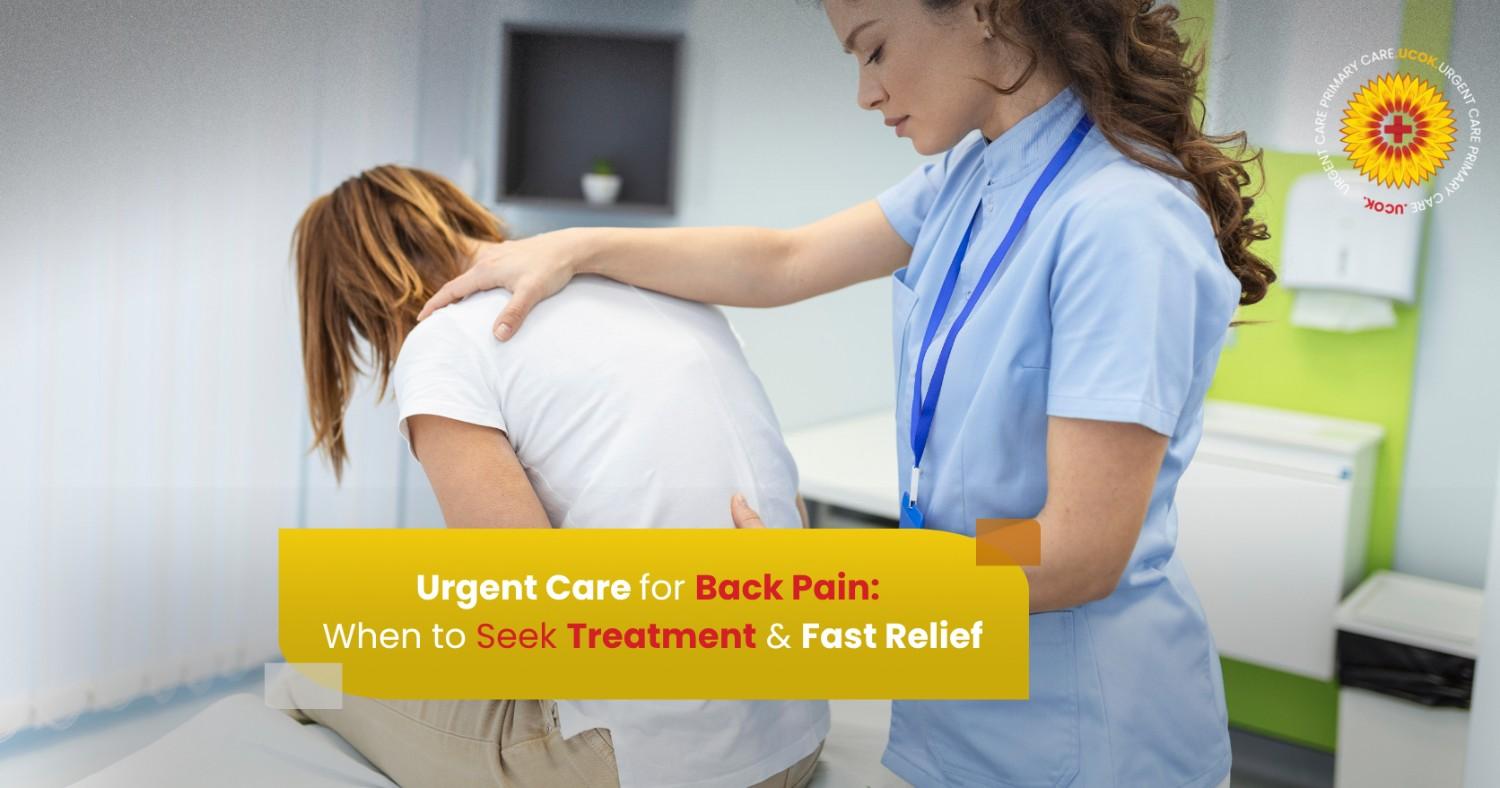
Lower back pain can make daily activities seem challenging after a long day of sitting, standing, lifting, or repetitive motion. Some pain after exercise is normal, but if the pain, stiffness, or cramps continue, it may require medical intervention.
Going to Urgent Care for back pain can provide a quick resolution without the long wait times associated with the ER and/or a primary care visit. Patients who come in to Urgent Care of Kansas for back pain or other conditions associated with lower back pain can receive a same-day assessment, treatment, X-rays, and individual care plans.
Common Causes of Lower Back Pain After a Long Day
Your spine bears your weight every single day, and certain poor postures you may have while you are using your computer for work or play can add strain to your back muscles and joints over time.
Poor Posture and Prolonged Sitting
Over-extended periods of time, driving or sitting at a desk can add stress to the lower back, particularly if trying to keep good posture. At the end of the day, slouchy postures cause pressure to the discs in the back and lead to stiffness and pain.
Muscle Strain and Overuse
Muscle strain often occurs when you perform repetitive motion, lift heavy objects, or engage in strenuous work. This type of back pain is very common among parents picking children up, workers in a warehouse or taking care of patients, and retail workers.
Weak Core Muscles
Your abdominal and back muscles support the spine. These muscles are not strong enough or do not cooperate if they are tired, which puts more strain on the lower back throughout the day.
Stress and Muscle Tension
Muscles in the neck, shoulders, and lower back become tensed when you are stressed. A constant state of tension can result in persistent back pain and a general sensation of spasms.
Everyday Habits That Contribute to Back Pain
Other common causes include:
- Unsupportive footwear
- To carry heavy bags on one shoulder
- Poor sleep posture
- Dehydration
- No movement break during worktime
Soreness may occur occasionally, but if it does happen often or intensely, it is best not to dismiss the feeling.
When Back Pain May Require Medical Attention
Most back pain from the lower back will respond to self-care and bed rest. Some symptoms may point to a more serious condition that medical intervention should be performed.
If back pain is moderate to severe and/or there are any of the following symptoms, seek urgent care:
- Pain that radiates down your legs or arms
- Numbness/tingling
- Muscle weakness
- Trouble standing up or getting around
- Severe muscle spasms
- Injury or pain following a fall
- Fever and back pain
- Inability to maintain bladder or bowel function
- Persistent pain that gets worse over time
These symptoms could indicate nerve involvement, disc problems, and other conditions that need immediate medical attention.
Why Visit Urgent Care for Back Pain?
Most people dismiss back pain as something normal and are not sure about whether to go to their primary care, urgent care, or the emergency room.
If back pain is not life-threatening, it is best treated with urgent care.
Benefits of Urgent Care for Back Pain
At Urgent Care of Kansas, the following treatments are available:
- Same-day assessment and treatment
- Shorter wait times than emergency rooms (ERs)
- Evening and weekend availability
- On-site X-rays at select locations
- Treatment for muscle strains and back spasms
- Referral for physical therapy or further imaging (if necessary)
It can greatly aid working adults and families seeking quick pain and discomfort relief without having to visit the ER, which can be expensive.
What Happens During an Urgent Care Visit for Back Pain?
When you visit, a provider will check:
- Your symptoms
- Recent activities or injuries
- Medical history
- Pain location and severity
During a Physical exam, doctors will assess:
- Range of motion
- Muscle strength
- Reflexes
- Areas of tenderness
Providers may want to get X-rays if there’s a possibility the problem is a fracture, arthritis, or a structural issue.
You will leave with a personalized treatment plan designed to reduce pain and improve mobility safely.
Urgent Care Treatment Options for Lower Back Pain
Treatment will depend upon what caused your symptoms and how severe they are.
Medication for Pain and Inflammation
Providers may recommend or prescribe:
- Anti-inflammatory medications
- Medications to relax the muscle spasms in the back
- Medications for pain relief (as needed)
The aim is to limit swelling and make you feel better as your body repairs itself.
Supportive Therapies
Your provider may also recommend:
- Heating or cooling therapy for the affected area
- Gentle stretching exercises
- Temporary activity modifications
- Supports back with braces as necessary
Diagnostic Imaging
Many urgent care facilities have X-ray services to assess:
- Alignment issues
- Fractures
- Degenerative changes
Your provider will make referrals for follow-up advanced imaging, if necessary, like an MRI scan.
Referrals for Ongoing Treatment
For some patients, it’s beneficial to have:
- Physical therapy
- Orthopedic evaluation
- Chiropractic care
- Pain management specialists
Mild problems can turn into serious ones if it’s not treated right away.
Home Remedies and Self-Care for Back Pain Relief
Home care can, in addition to the professional treatment, shorten the recovery time and minimize further exacerbations.
Gentle Movement and Stretching
Usually, bed rest is not recommended. Exercise prevents stiffness and increases blood flow.
Helpful stretches may include:
- Knee to chest stretch
- Cat-cow stretches
- Pelvic tilts
- Short distance walking
Improve Your Workspace Ergonomics
Small changes can reduce strain:
- Position your screen at eye level
- Keep feet flat on the floor
- Use lumbar support
- Regular breaks for standing and stretching
Sleep Position Matters
Try:
- Side sleeping with a pillow between your knees
- Lying on your back with a pillow beneath your knees
This helps keep the spine in alignment in these positions.
Stay Hydrated and Active
Drinking plenty of water is good for your spinal discs. Regular exercise helps to strengthen the muscles around the spine.
How to Prevent Back Pain After Long Workdays
To avoid chronic lower back pain, it’s all about the routines you engage in every day.
Strengthen Your Core
Planks, bridges, and bird-dog exercises stabilize the spine and reduce strain.
Practice Proper Lifting Techniques
When lifting:
- Bend at your knees
- Keep objects close to your body
- Avoid twisting while carrying weight
Take Frequent Movement Breaks
If you sit for long periods of time, get up and stretch every 20 to 30 minutes to reduce muscle stiffness.
Wear Supportive Footwear
Good supportive shoes reduce strain on the lower back and improve posture.
Maintain a Healthy Lifestyle
Regular exercise, reducing stress, getting enough sleep, and maintaining a healthy weight can all help your long-term back health.
When to Go to the Emergency Room Instead of Urgent Care
Most back pain conditions can be treated with urgent care, but you may need emergency medical attention if you:
- Sudden loss of control of bowel or bladder function
- Very weak legs
- Back pain after a serious accident
- Pain in the back and chest
- Difficulty breathing
- Signs of infection with severe pain
These are signs of a medical emergency that requires immediate treatment.
Get Same-Day Back Pain Treatment at Urgent Care of Kansas
Back pain can affect work, sleep, time with family, and everyday activities, but you don’t have to endure the discomfort.
Urgent Care of Kansas is staffed with experienced medical professionals who can provide timely, compassionate care for muscle strains, back spasms, lower back pain, and related conditions. Best of all, we offer same-day care, walk-in appointments, and personalized care plans to help you get better faster.
If you have chronic lower back pain that is interfering with your daily routine, contact us or visit one of our conveniently located Kansas urgent care centers today.
FAQs
Can urgent care help with back pain?
Yes. Urgent care clinics see a lot of lower back pain, strains, spasms, and minor injuries. Providers can look at symptoms, recommend treatment, write prescriptions when appropriate, and order X-rays as necessary.
Should I go to urgent care or the ER for back pain?
Most conditions for back pain are suitable for urgent care and not emergency care. But loss of bladder control, major trauma, or sudden leg weakness are severe symptoms that require emergency medical care.
Educational content; not a substitute for professional advice. This article is not intended to provide medical advice, diagnosis, or treatment. Always speak with a trained healthcare provider about your symptoms and health concerns.