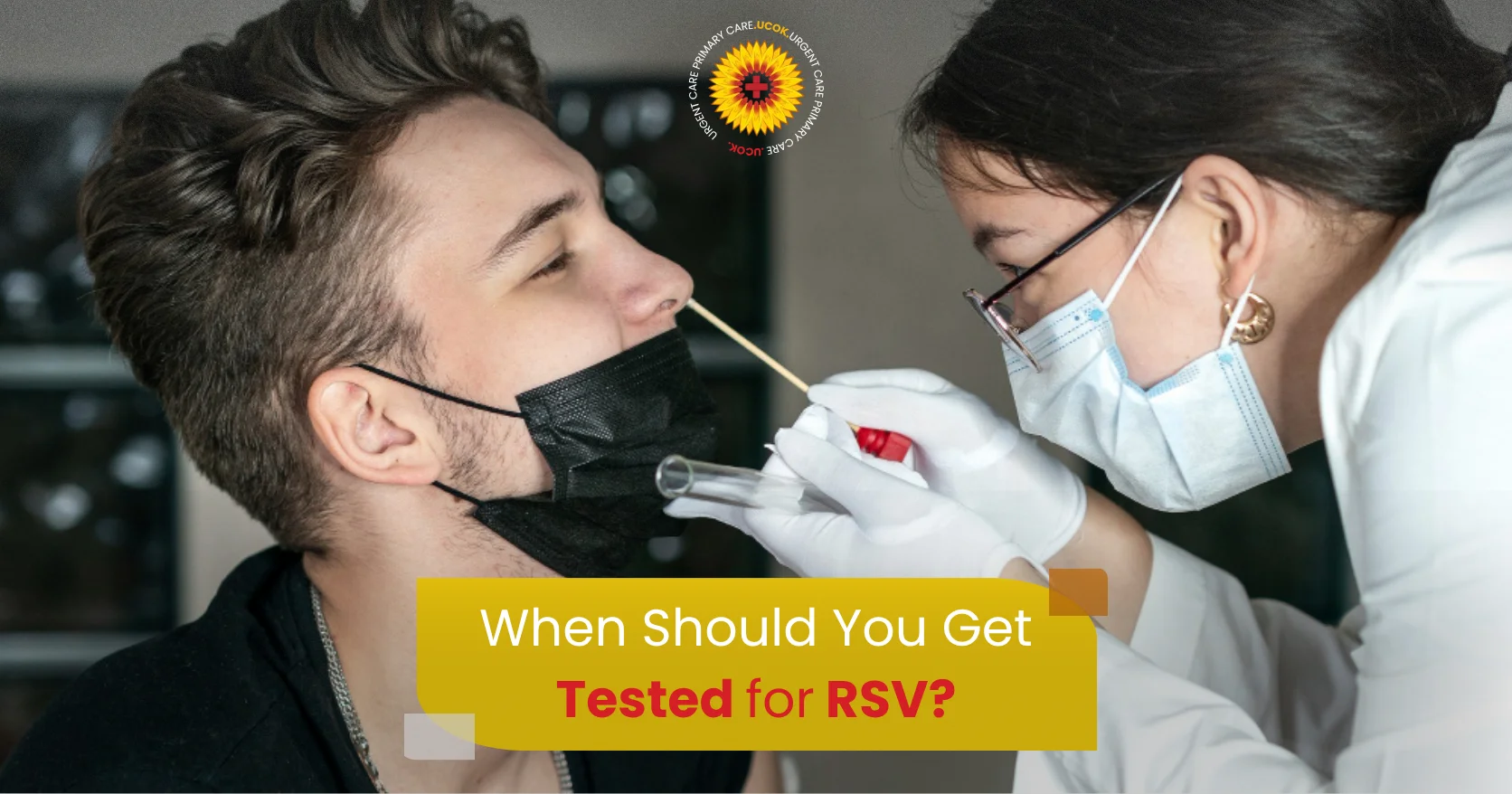
RSV, or respiratory syncytial virus, is a common respiratory infection that occurs every year, especially in cooler months. In many healthy adults and older children, it causes mild cold-like symptoms that improve with rest. RSV can cause more serious breathing problems and may require medical attention in newborns, older adults, and people with certain health conditions.
Knowing when testing is appropriate provides clarity and helps you get the right treatment without undue worry. At Urgent Care of Kansas, we evaluate respiratory symptoms regularly and can help you assess whether RSV testing is right for your situation. This post explains what RSV looks like, who benefits most from testing, and when to seek care.
What RSV Typically Looks Like
Often, RSV starts with the usual upper respiratory symptoms. These could include:
- Stuffy or runny nose
- Cough
- Low-grade fever
- Throat pain
- Sneezing
- Reduced appetite or energy
In more severe cases, symptoms may progress to wheezing, increased respiration, or difficulty feeding in infants. Older adults may be more likely to have severe fatigue, cough, or trouble breathing. Symptoms can look like a common cold, the flu, or other respiratory viruses, so testing can help clarify things.
Who Is at Higher Risk from RSV
Most people will recover without any serious problems. But some groups are more likely to have a more severe illness:
- Premature babies or babies younger than 6 months old
- Older adults
- People with chronic lung or heart disease
- People with compromised immune systems
- Adults with serious underlying health conditions
Earlier assessment and testing can help improve decisions about care and monitoring for these groups.
When Testing for RSV Is Most Useful
Testing isn’t needed for mild, cold-like illness. It’s more valuable in certain situations:
- If symptoms are severe or worsening, especially in people at higher risk
- If breathing is laborious, wheezing is heard, or oxygen levels are low
- When a health care provider wants to differentiate RSV from other viruses such as flu or COVID-19 to advise recommendations
- In newborns or older individuals with diminished eating, unexpected drowsiness, or increased labor of breathing
- If symptoms last longer than expected or start to improve and then deteriorate again
Testing can provide information to guide treatment decisions, isolation recommendations, and whether closer monitoring or more care is needed. In mild occurrences in healthy adults and older children, supportive treatment without testing is typically all that is needed.
Symptoms That Should Prompt Evaluation
Seek medical attention if you or a family member has:
- Trouble breathing or fast breathing
- Wheezing or chest retractions (skin pulling in between the ribs)
- Bluish color of the lips or fingertips
- High or prolonged fever
- A cough that won’t let you sleep or do things
- Dry mouth, decreased urination, or abnormal lethargy (signs of dehydration)
- In infants: poor feeding, fewer wet diapers, or unusual irritability or sleepiness
These signs indicate that professional assessment is important, whether or not RSV is ultimately confirmed.
How Urgent Care Can Help
Urgent care is a practical place to evaluate respiratory symptoms that may involve RSV. Providers can:
- Assess breathing, oxygen levels, and overall condition
- Determine whether testing for RSV or other viruses is appropriate
- Offer guidance on symptom management and hydration
- Identify patients who may need closer monitoring or higher-level care
- Advise on when isolation or follow-up is recommended
For many people with moderate symptoms, urgent care provides timely evaluation without an emergency department visit. Emergency care remains the right choice for severe breathing difficulty, bluish skin color, or other emergency warning signs.
Supportive Care While Monitoring Symptoms
Supportive care is used to treat most cases of RSV infection:
- Promote fluid intake to prevent dehydration
- Relieve congestion with a cool-mist humidifier
- At rest, keep the head slightly elevated, if suitable
- Suction or gently clear nasal passages in infants as advised by a provider
- Observe work of breathing and general energy level
- Rest well and stay away from others when you have symptoms
These steps help you recover while you decide whether you need testing or further evaluation.
RSV is a common seasonal virus that can cause mild illness for many, and more severe symptoms for higher-risk groups. Testing is most helpful when symptoms are worrisome, when a person is at higher risk, or when knowing which virus can help guide care decisions. Pay attention to the difficulty of your breathing, the amount of energy you have, and the overall progression of your symptoms. That will help you to determine when evaluation is the wiser step.
If you or someone you love has concerning respiratory symptoms, especially if the patient is an infant, an older adult, or someone with underlying health conditions, come to one of our Urgent Care of Kansas locations. Our team can evaluate the situation, decide whether RSV testing is necessary, and provide clear direction so you can focus on healing with more confidence.
This post is solely for educational purposes and is not a replacement for professional medical advice. Always consult your doctor or other qualified health care provider with any questions you may have regarding a medical condition.
Related Posts:
- Why Does Your Nose Get Congested When the Weather Changes?
- Fever in Adults: When It’s Time to Get Evaluated
FAQs
Do healthy adults usually need RSV testing?
Most mild occurrences do not require testing, and healthy adults recover with supportive treatment. Testing is more useful if symptoms are severe or the person has risk factors for a more serious illness.
Can urgent care test for RSV?
Yes. Many urgent care clinics can test for RSV and other common respiratory viruses when clinically appropriate, based on symptoms and risk factors.
What symptoms suggest RSV may be more serious?
Signs RSV may be more dangerous include breathing problems, wheezing, rapid breathing, poor feeding in newborns, lethargy that isn’t normal, or a bluish tint around the lips.
How is RSV different from a regular cold?
RSV starts like a cold but can progress to more noticeable lower respiratory tract involvement, especially in newborns and older people. Testing helps provide useful information when needed.