
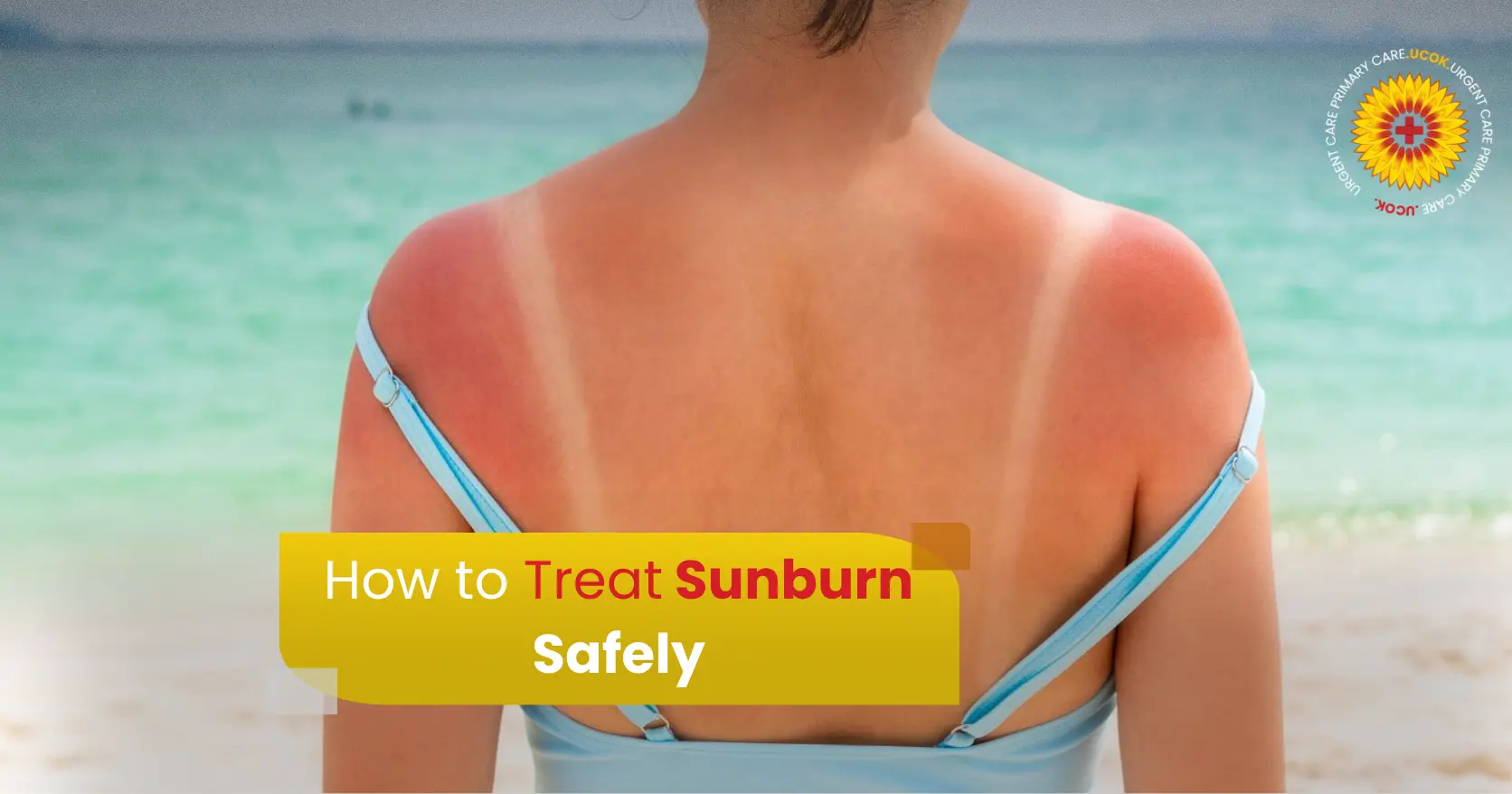
Being outside can turn into an uncomfortable day in a matter of seconds if you begin to get too much sun exposure and develop a painful sunburn. Most individuals do not realize the damage until hours after it occurs, when their skin is red, warm, tender, and irritated.
Although most sunburns tend to heal on their own, care needs to be taken to minimize discomfort, moisture loss, and healing. The following suggestions indicate how to safely treat and handle sunburns, when to go to the doctor, and how to avoid further damage to your skin.
What Is a Sunburn?
Sunburn is an inflammatory response of the skin caused by overexposure to ultraviolet (UV) radiation.
Two major wavelengths of ultraviolet radiation reaching the skin from the sun are:
- UVA rays (the rays that penetrate deeper into the skin and cause prematurely aged skin).
- The UVB rays (which are mainly responsible for sunburn).
Excess UV on the skin triggers an immune system response that brings more blood to the damaged skin. This produces the symptoms of redness, swelling, warmth, and pain.
Symptoms of sunburn can take several hours to appear and may worsen for the next 24-48 hours before healing.
Common Signs and Symptoms of Sunburn
Sunburn can be more or less severe based on skin type, amount of exposure to UV rays, duration of exposure, and whether or not a sunscreen was used.
Common symptoms include:
- Red or pink skin
- Warm or hot skin
- Tenderness and pain
- Swelling
- Itching
- Dryness and peeling
- Fatigue
- Headache
- Mild fever
Severe exposure could result in blisters, extreme redness, redness with cold, vomiting, and/or dehydration.
Keep in mind, a tan is a form of skin damage as well. UV exposure, even without peeling or blistering, can lead to long-term aging and an increased risk for skin cancer.
What to Do Immediately After a Sunburn
The “first hours after sunburn” are critical to the resulting discomfort and healing.
Get Out of the Sun
The first critical step, of course, is to stop any additional UV exposure! Get to an indoor building or a shaded place as soon as possible. Staying in the sun after a burn has occurred can make it worse.
Cool the Skin Gently
The application of cold has the effect of decreasing inflammation and should be used to give some relief.
Have cold baths or showers, or use cool, damp cloths on skin for a few minutes each. The water should be cool, not cold. Ice or very cold water may make the damaged skin irritate the damaged skin further, leading to more discomfort.
Gently pat skin dry after bathing; avoid rubbing with a towel.
Drink Extra Fluids
Sunburn pulls fluid towards the skin’s surface and away from the rest of the body. This can make patients more susceptible to dehydration.
Avoid dehydration during the day by drinking lots of water! Sports drinks can be of assistance as well if you have been outside in very warm temperatures for long periods.
Safe Ways to Relieve Sunburn Pain
Treatment of any pain and inflammation can help make healing a much more pleasant experience.
Use Moisturizer Regularly
Moisturize with an unscented lotion while the skin is still wet from the bath. Moisturizers can lock in moisture and absorb more, and can help maintain softness by reducing dryness.
Alone or combined with other ingredients, aloe vera products have become sought after for their cooling effect and for purportedly alleviating skin irritation.
Do not use products that contain alcohol because these can cause more skin dryness.
Consider Over-the-Counter Pain Relief
Adults who can safely use them might find relief from pain, swelling, and redness from over-the-counter anti-inflammatory medications, including ibuprofen.
Always use medication according to the label directions, and if necessary, ask a health care professional.
Wear Loose, Comfortable Clothing
Clothing rubbing the skin can be uncomfortable, causing additional irritation.
Until skin heals, wear breathable, lightweight clothing made of cotton.
How to Care for Peeling Skin
A few people have been alarmed by peeling, which started a few days after a sunburn.
Peeling is a normal wound healing process. It happens due to excess shedding of dull skin cells and the regeneration of new skin cells.
Prevent picking or peeling of the skin, although this may be an attractive idea. Doing so may delay healing and increase the risk of infection.
Smooth on moisturizing products regularly and let the skin exfoliate itself.
How to Treat Sunburn Blisters
Remain in the shade as much as possible. Avoid severe sunburn by staying cool.
Blisters are generally signs of severe sunburn.
Blisters form as the body attempts to protect damaged tissue underneath the skin. They should generally be left intact whenever possible.
Don’t have the blisters popped or drained at home. Opening them can make it more likely that you get infected and that wounds heal slowly.
When a blister is broken spontaneously:
- Gently clean the area with mild soap and water.
- Apply a thin bandage of antibiotic ointment if prescribed/required.
- Cover with a clean, non-stick bandage.
If the blisters cover a large surface area, are very painful, or are infected, see a doctor.
Common Sunburn Treatment Mistakes to Avoid
Many well-intentioned home remedies can actually make sunburn worse.
Avoid:
Applying Ice Directly to the Skin
Ice contact with the skin can exacerbate the damage and cause further irritation and injury to damaged skin.
Using Petroleum-Based Products Immediately
Gargling with heavy ointments may cause initial heat to be trapped inside the skin.
Scrubbing Peeling Skin
Peeling skin will make it take longer to heal if it is pulled or exfoliated heavily.
Returning to the Sun Too Soon
Burnt skin is very susceptible to further injury. Allow for full healing of the skin before prolonged sun exposure.
Ignoring Hydration
Even if it’s a mild sunburn, it contributes to dehydration, especially in hot summer conditions.
When to Seek Medical Attention for a Sunburn
Though some of the sunburns can be treated at home, some require professional medical evaluation.
If you have any of these symptoms:
- Extensive blistering
- Severe pain
- Significant swelling
- High fever over 101° F
- Chills
- Nausea or vomiting
- Dizziness
- Confusion
- Signs of dehydration
- Any sign of infection, including pus, redness, and pain getting worse
If a child, older adult, or someone with a chronic medical condition gets sick, they could be at greater risk for complications and should be closely watched for them.
The urgent care center can assess serious cases of sunburn, offer recommendations for managing the condition, discuss the possibility of dehydration, and manage problems that might arise from the sunburns.
How Long Does a Sunburn Take to Heal?
The burn severity will determine the recovery time.
Mild sunburns tend to get better in 3 to 5 days.
Moderate burns take approximately a week to heal and will typically have some peeling.
If the burn is more intense, causing blisters, healing may be a prolonged process, taking several weeks.
After visible signs of the infection subside, there may be additional, more serious damage to the skin that may continue to heal.
How to Prevent Future Sunburns
Prevention is the best form of treatment.
Use Broad-Spectrum Sunscreen
Use plenty of a broad-spectrum sun protection factor (SPF) 30 or above before going outdoors.
Apply two times an hour, and when swimming or heavy sweating has occurred.
Seek Shade During Peak UV Hours
The sun’s rays of strongest intensity are between 10 am and 4 pm.
Try to keep exposure to a minimum for extended periods during these hours, whenever possible.
Wear Protective Clothing
Wear a wide-brimmed hat, sunglasses, long sleeves, and UPF clothing for extra protection.
Don’t Forget Easily Missed Areas
The top of the ear, the top of the foot, the scalp, the lips, the neck, and the backside of the hands are forgotten.
These also often get sore sunburns.
While sunburn can be annoying at the moment, it is actually real damage to your skin that can impact your health long term! It can be improved through timely therapy, adequate fluid intake, gentle skincare, and avoidance of further UV damage.
While most sunburns can be treated at home, severe burns, blisters, dehydration, or concerning symptoms are never to be taken lightly. Understanding the warning signs and symptoms of a sunburn and knowing when to ask for help when needed can make a difference in keeping things safe and preventing complications.
Knowing the value of taking proactive measures to protect your skin and taking fast action to treat sunburns can help you enjoy the outdoors this year without worrying about your skin.
If you are experiencing severe sunburn, Urgent Care of Kansas offers fast, walk-in treatment for pain, blistering, and dehydration with same-day care.
FAQs
Is aloe vera good for sunburn?
Yes. Aloe vera might be beneficial for easing irritated skin and inducing momentary cooling results. Look for alcohol-free and fragrance-free products.
Should I put ice on a sunburn?
Ice is not good for sensitive skin, either. Instead, opt for cool compresses or cool baths.
Can I still go outside with a sunburn?
Yes, but treat the affected skin with care, covering it with clothing and shade. Further exposure to UV rays can exacerbate the condition.
Can urgent care treat severe sunburn?
Yes. Evaluate severe sunburns, deal with dehydration, make treatment recommendations, and decide if further treatment is necessary.