
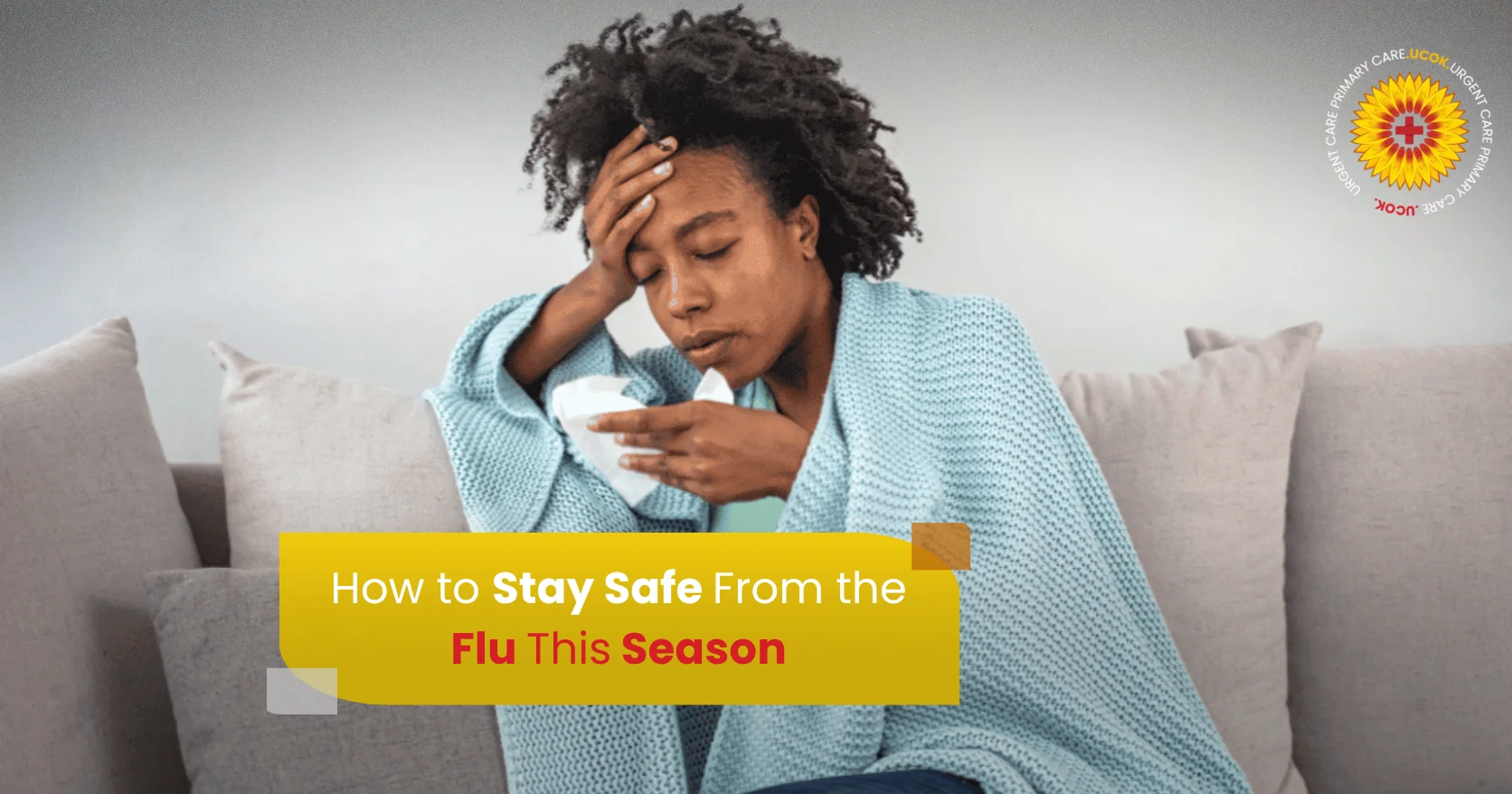
As fall begins, it’s a good time to get ready for flu season. Flu can spread easily, especially when people are spending more time indoors together. Although you can’t fully eliminate your risk, vaccination and daily preventive actions can minimize your chances of getting sick and spreading the virus. So read on for practical strategies to keep yourself and your family safe throughout flu season.
Get Your Flu Vaccine
One of the most important things you can do to protect yourself from influenza and its potentially serious complications is to get a flu vaccine every year.
For the 2026–27 flu season, CDC advises everyone aged 6months and older to get a flu vaccine for the year, unless they have certain uncommon contraindications. All the flu vaccines available in the United States this season are trivalent meant to protect against three influenza viruses. The vaccine mix has been revised for the 2026-27 season.
For most people who need one dose, the best time to get vaccinated is September or October. If you can, get vaccinated by the end of October. However, immunization might still be useful later in the season if flu viruses are circulating and the vaccine is available.
Depending on age and prior vaccination history, some children may need two doses during the season. One or two doses may be needed, and a health care provider can help decide which is best for a youngster.
Certain higher-dose, recombinant, or adjuvanted flu vaccines are preferentially recommended by the CDC for people 65 years and older when available.
Urgent Care of Kansas provides flu shots so you can get your seasonal immunization at your convenience. Flu shots are available depending on vaccine availability.
Be cautious and consult a health care expert before immunization if you are not sure which flu vaccine is right for you or your child.
Wash Your Hands Regularly
Good hand hygiene is a basic method to help stop the spread of respiratory infection.
- Wash your hands with soap and water often, especially after you cough or sneeze, after taking care of sick people, and before eating.
- Use an alcohol-based hand sanitizer when soap and water are not accessible.
- Avoid touching your eyes, nose, and mouth with unwashed hands.
Cover Coughs and Sneezes
Cover your mouth and nose with a tissue when you cough or sneeze, toss the tissue away, and wash your hands. If you don’t have a tissue, cough or sneeze into your elbow, not your hands.
These habits can help stop the transmission of respiratory viruses to others around you.
Stay Home When You’re Sick
Staying home when you have flu symptoms helps stop other people from getting sick.
The current CDC respiratory virus guidance says you can resume your normal activities once you’ve been feeling better overall for at least 24 hours and you’ve been without fever without taking fever-reducing medicine. Once your typical activities resume, adopting some extra steps over the next few days can provide further protection to others around you.
These precautions may include improved ventilation in indoor spaces, adequate hygiene, proper use of a well-fitting mask, and avoiding close contact with persons at increased risk for severe disease.
Improve Indoor Airflow
Indoor settings that are crowded also speed the spread of the flu and other respiratory illnesses.
If possible, increase ventilation by opening windows and doors, using air filtration or purification, and bringing in outdoor air.
You can also spend time outdoors, which, if the weather cooperates, can help reduce the amount of time you spend in poorly ventilated indoor spaces.
Limit Close Contact With People Who Are Sick
Avoid close contact with someone who is sick if you or someone in your household or office is sick.
If you are experiencing flu-like symptoms, please stay home and take precautions to prevent the spread of the illness to others. Good prevention includes frequent hand washing, cleaning of high-touch surfaces, and optimizing ventilation if you are looking after someone unwell.
Know the Symptoms of Flu
The onset of flu symptoms is usually abrupt. Common symptoms include:
- Sweating, cold, or shivering
- Cough
- Sore throat
- Runny or stuffy nose
- Headache
- Muscle aches, body aches
- Fatigue
Some children may also have vomiting or diarrhea. You don’t always get a fever with the flu.
Flu, COVID-19 and other respiratory infections can cause similar symptoms, and symptoms alone can’t always tell you what’s making you sick. Your doctor may recommend testing based on your symptoms and situation.
Seek Treatment Early if You’re at Higher Risk
Most people recover from the flu without serious complications, but some people have a higher risk of becoming seriously ill.
This includes:
- Adults 65 and older
- Young children
- Pregnant people
- People with asthma or other chronic lung conditions
- People with diabetes
- People with certain heart conditions
- People with weakened immune systems
If you are at higher risk and develop flu symptoms, contact a healthcare provider promptly.
Prescription antiviral medications can be used to treat influenza. They work best when started within one to two days after symptoms begin, although treatment may still be recommended later for people who are very sick or at higher risk of complications.
Know When Flu Symptoms Need Urgent Medical Attention
Sometimes flu can cause serious complications. Seek medical attention immediately if you develop severe symptoms such as:
- Trouble breathing or shortness of breath
- Continuing chest pain or pressure
- Severe weakness or dizziness
- Confusion or unusual difficulty staying awake
- Seizures
- Indications of extreme dehydration, such as not urinating
- Symptoms that disappear but then return or worsen significantly
Children can also have serious complications. Call a doctor if you notice chest pain, bluish lips or face, severe dehydration, trouble breathing, seizures, unusual lack of alertness, or symptoms that get better and then worse.
If you are not sure your symptoms require medical attention, a call to a health care provider can help you determine what to do next.
Protect Yourself During the 2026–27 Flu Season
The secret to avoiding flu is simple, consistent habits. Getting your 2026–27 flu vaccine, washing your hands, covering your coughs and sneezes, staying home when you’re sick, improving the airflow inside buildings, and getting treatment quickly when it’s appropriate can all help reduce the effects of flu season.
Flu shots are offered at any of Urgent Care of Kansas’ healthcare facilities, while supplies last. The clinics also offer evaluation and treatment for many common illnesses, including cold and flu symptoms.
If you are experiencing flu-like symptoms or have questions about an illness, Urgent Care of Kansas can help evaluate your symptoms and determine if testing or treatment might be appropriate.
FAQs
When should I get my flu shot for the 2026–27 season?
Most people want to be vaccinated around September or October. CDC recommends being vaccinated by the end of October, if feasible, but it’s never too late to get a flu vaccine. Flu viruses are still circulating, and the vaccine can still protect against the flu.
Can I still get the flu after getting vaccinated?
Yes. Flu vaccination cannot guarantee you won’t have influenza, but it can minimize your risk of flu and its potentially catastrophic complications.
When should I seek treatment for the flu?
Antiviral therapy should be initiated within 24 to 48 hours of symptom onset. People who are at increased risk for significant flu complications should see a healthcare provider right away if they develop flu symptoms.